Less waste,
better choices.
Practical information on reducing household waste, selecting eco-friendly products, and building sustainable daily routines in Poland.

Where waste reduction starts
Most household waste originates from packaging, food scraps, and single-use items. The sections below address each category with context relevant to Poland's waste management system.
Kitchen & Food
Food packaging accounts for a large share of household waste. Switching to loose produce, refillable containers, and composting organic material reduces this significantly.
Zero-waste kitchenShopping Choices
Poland has a growing network of zero-waste shops and farmers' markets. Understanding product labelling — including eco-certifications valid in the EU — helps in making informed decisions.
Eco shopping in PolandDaily Habits
Consistent small-scale changes — from the products kept in a bathroom to how paper is disposed of — accumulate into meaningful reductions over months and years.
Sustainable daily habitsWaste management in Poland
Poland's waste sorting system uses colour-coded bins standardised across municipalities: yellow for mixed packaging (plastics, metals, multilayer), blue for paper, green for glass, brown for bio-waste, and grey or black for mixed residual waste.
This system follows EU directives on packaging and packaging waste. Local municipalities publish collection schedules and sorting guides — often available at the municipality's website or via the local communal company (ZGK or similar).
Bio-waste has been separately collected since mid-2021 under Polish law. Composting at home using a garden bin or vermicomposting indoors reduces the volume sent to municipal facilities.

Recent guides

Setting Up a Zero-Waste Kitchen
From loose-leaf tea to worm bins: a step-by-step overview of changes that reduce kitchen waste in a Polish household.
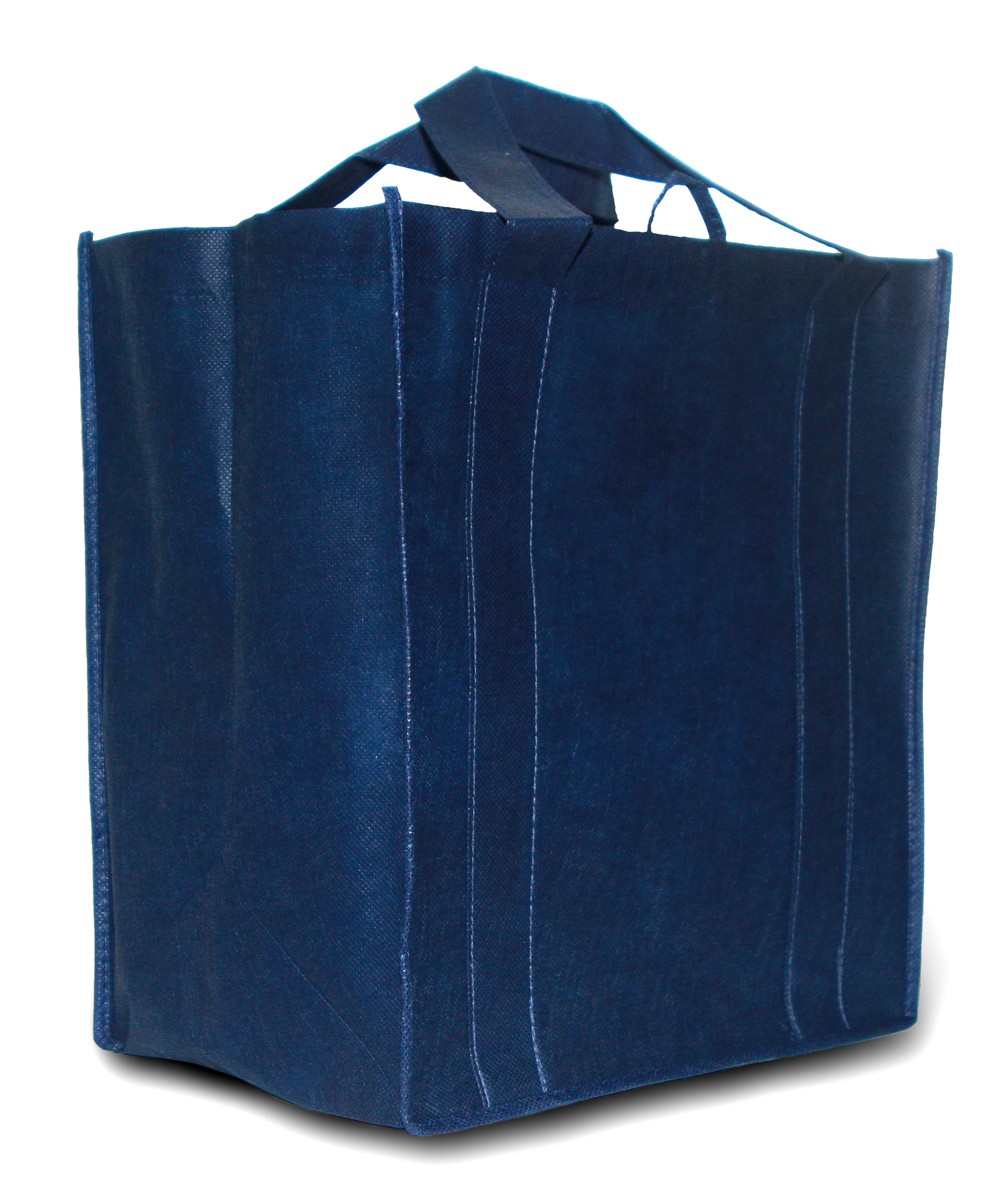
Eco Shopping in Poland: Shops, Markets, and Labels
An overview of zero-waste shops, organic markets, and EU eco-labels relevant to consumers in Poland.
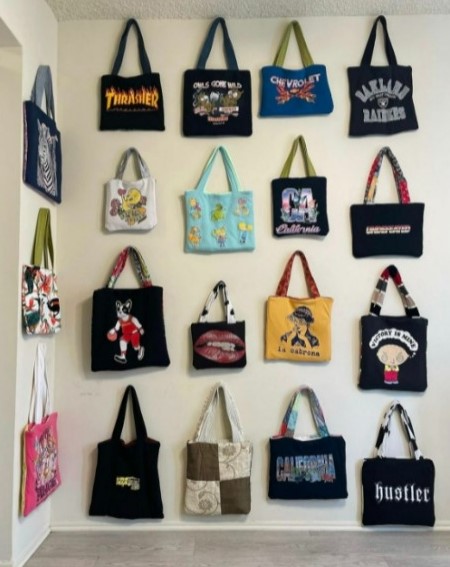
Sustainable Daily Habits: A Practical Overview
How bathroom routines, transport choices, and energy use connect to overall household sustainability.
Send a message
For questions or corrections regarding the content on this site, use the form below.